Robotic Painting Brought to Life with xArm
Robohood Inc.
In Short
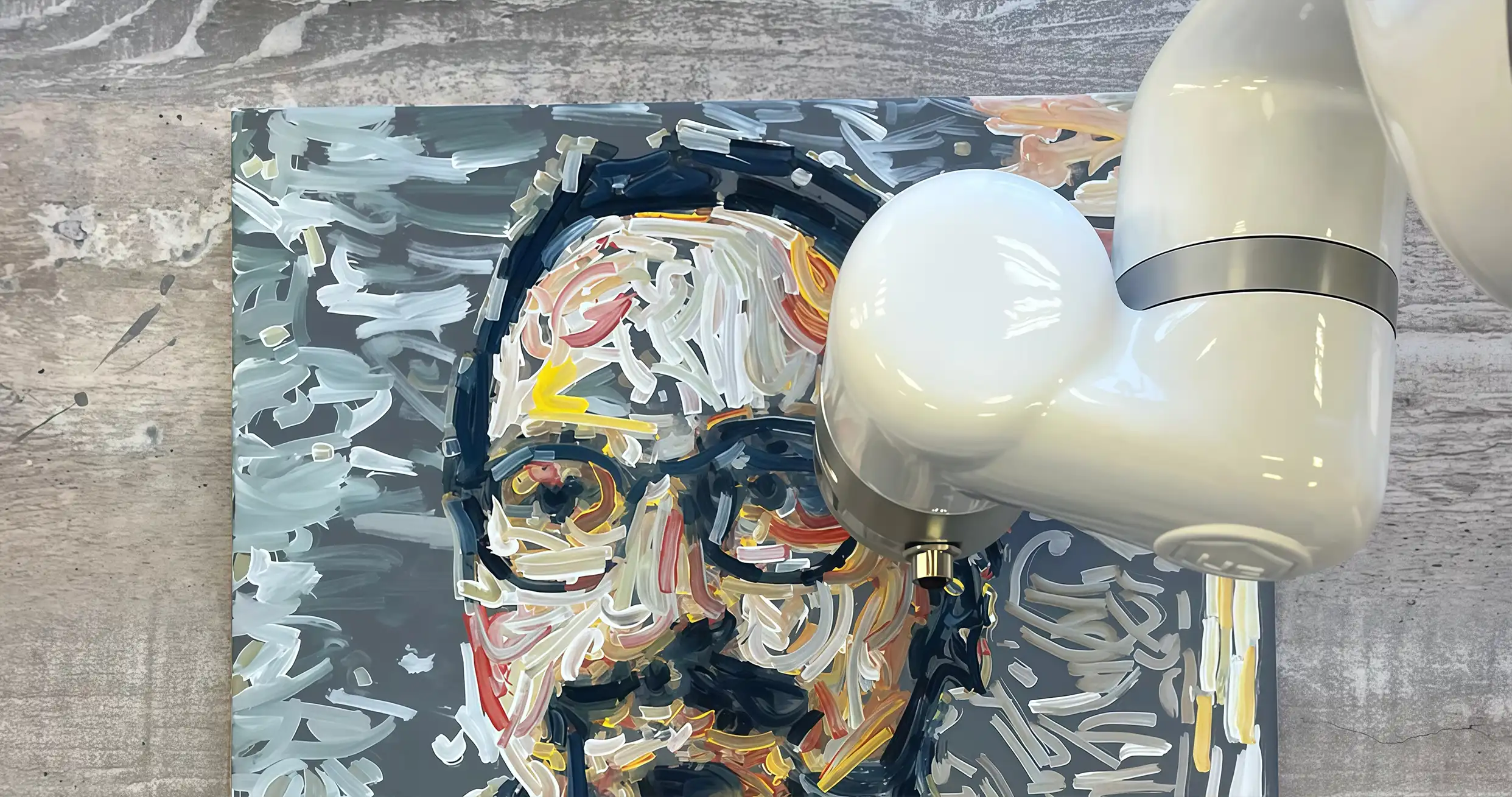
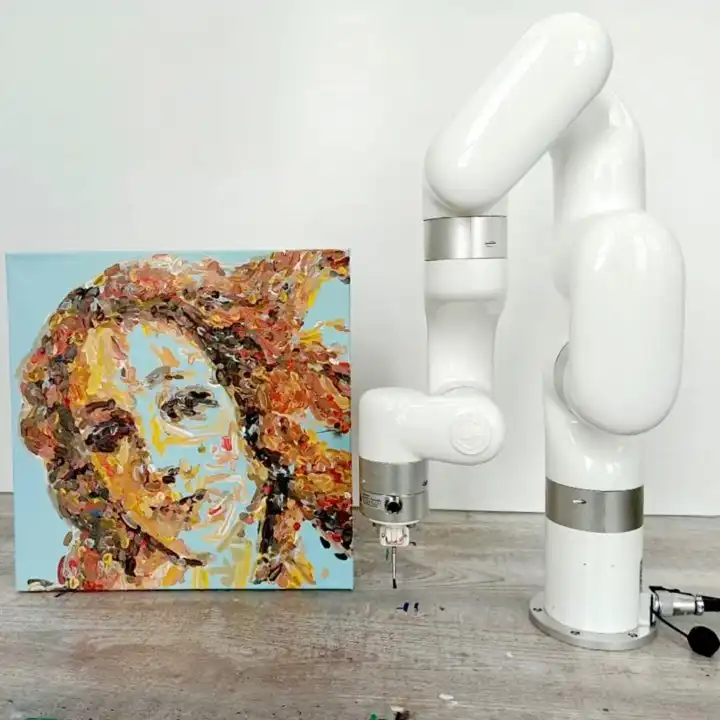
Founded with a vision to merge artificial intelligence and fine art, Robohood, Inc. develops fully automated algorithms that combine AI and computer vision to enable a robot arm to paint like a human artist, using a brush, acrylic paint, oil paint, and a stretched canvas.
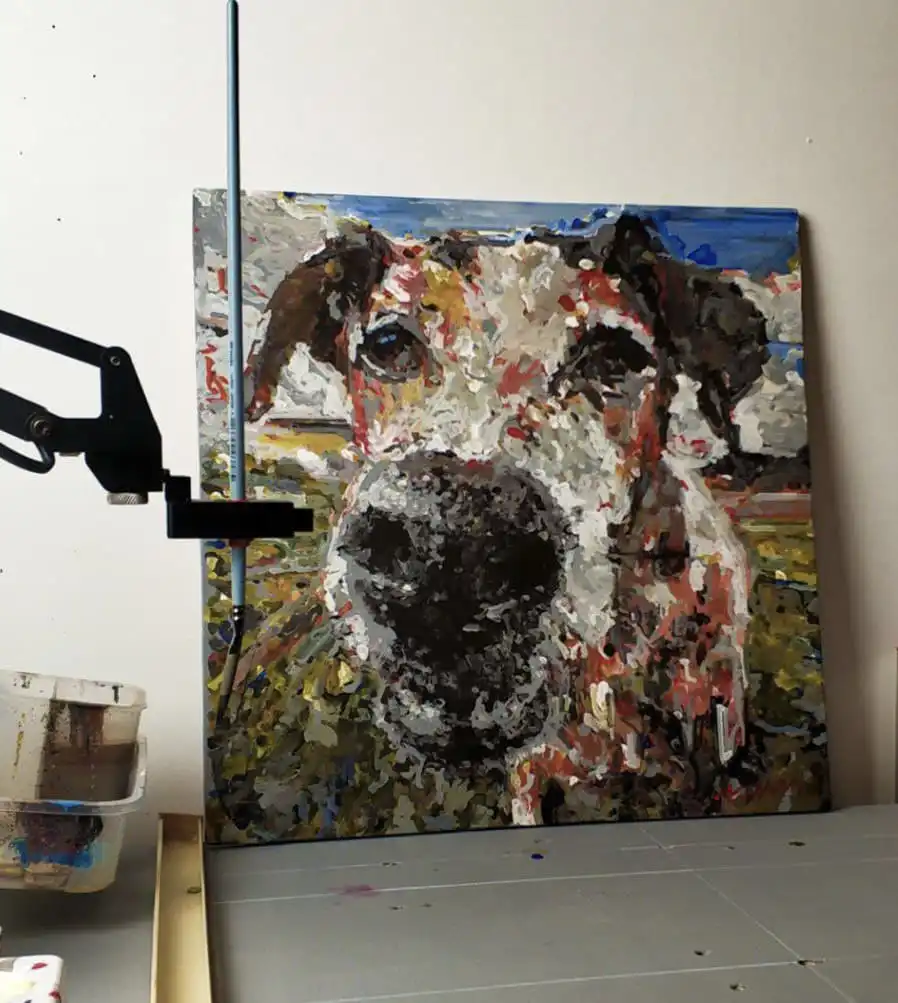
Working in the style of neuroimpressionism, their system uses AI to interpret and generate image content, then directs the xArm to render it physically on canvas. The result is a distinctive body of robotic artwork that has earned widespread admiration.
After outgrowing an earlier robot platform, Robohood selected the UFACTORY xArm to power the next stage of their project—drawn by its Python API support, ease of integration, reliable performance, and thoughtful design.
Customer Profile

Company:
Robohood Inc.

Industry:
Entertainment & Service

Application:
AI-Driven Robotic Painting

Region:
United States

Robot Used:
UFACTORY xArm & uArm Swift Pro
Key Benefits
Affordable pricing and high performance for R&D.
Easy integration via Python API.
Larger size and enhanced capabilities compared to previous models.
Smooth and straightforward setup.
Tasks Solved
Creating human-like artistic paintings using real brushes and paints.
Overcoming limitations of smaller robot arms (e.g., uArm) for larger canvases.
Benefits Achieved
Transition from experimental robotic art to commercial product stage.
Simplified development thanks to excellent Python API support.
Strong foundation for future project expansion.
The Challenge
Robohood began their journey with the uArm Swift Pro, which served as an excellent proof-of-concept for their painting algorithms. However, as the project evolved from an experimental stage into a commercial product, the team encountered physical limitations.
To bring their "Neuroimpressionism" to life on a larger scale, they required a robot with a larger working range to support bigger canvases and more complex movements.
At the same time, their development workflow relied heavily on Python, making API accessibility a critical selection criterion.
Why UFACTORY
When evaluating options for the next stage of their robotic art platform, Robohood needed more than a bigger arm. They needed a system that could integrate naturally into their existing Python-based development environment, perform reliably under the precise and varied demands of painting, and feel like a natural evolution from the UFACTORY ecosystem they had already built on.
Product Evolution By upgrading to a more advanced model, Robohood successfully transitioned from small-scale sketches to high-fidelity oil and acrylic paintings on full-sized canvases.
Python API support allowed the team to directly integrate xArm into their AI-driven workflow, simplifying development and enabling faster iteration.
Expanded workspace provided the physical range needed to create larger and more expressive artworks, supporting the transition from prototype to production.
Ease of integration meant the team could quickly connect and deploy the robot without complex setup.
Reliable performance and design ensured consistent painting execution while also offering a visually appealing system suitable for public-facing or exhibition environments.
Reviews


We really like the xArm model. We have experience working with different robot arms, and we especially appreciate how easy it is to interact with UFACTORY robots, along with their design and reliability.
We also started with the uArm Swift Pro, which we still like very much. As our project evolves, we look forward to expanding its capabilities further and would be happy to participate in future development.
Not sure which model fits your workflow?
Our team will match the right robot and configuration to your needs.