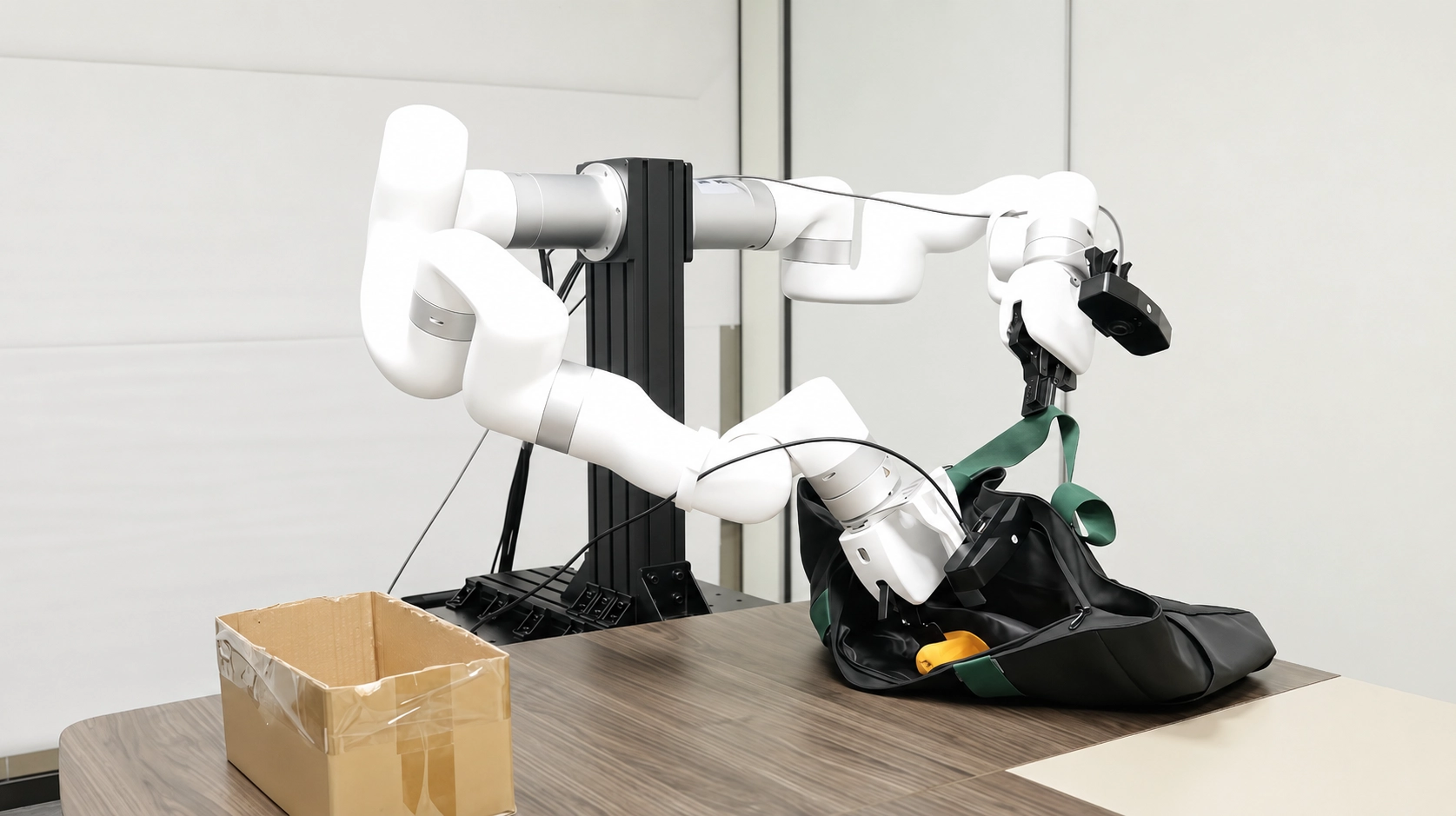
UFACTORY Where Robot Imitation Learning Starts
Background
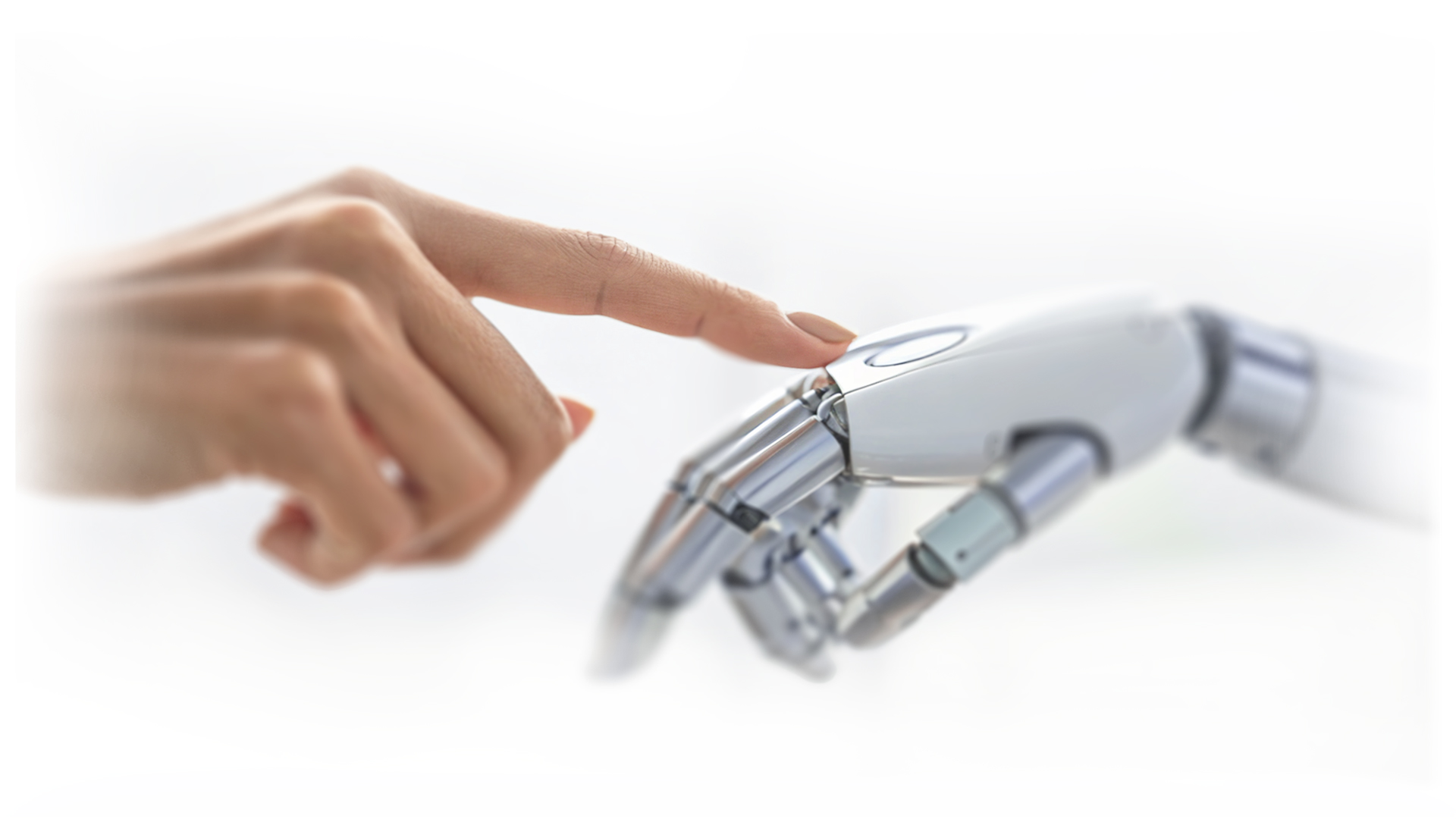
The rise of embodied AI is reshaping how robots are developed. Instead of writing explicit code for every task, researchers and engineers now teach robots by demonstration — a paradigm known as Imitation Learning (IL). At the heart of this approach is data: the quality and diversity of demonstration data directly determines the upper bound of a robot’s capabilities.
Industry Pain Points

The Hardware Gap in
Early-Stage Development
Dual-arm systems and humanoid robots carry enormous hardware costs and complex calibration requirements that make them impractical for early R&D. The gap UFACTORY fills: Performance capable enough to support serious IL research. Price point low enough to deploy at scale. UFACTORY cobots are the practical choice for this space.
 01
Low-Cost Data
Collection Array
At a fraction of the cost of comparable arms, UFACTORY lets you deploy a parallel data collection array — more robots, more data, same budget.
 02
Seamless Integration
with the IL Stack
Connects via Python SDK to work directly with LeRobot — supporting ACT, Diffusion Policy, and Flow Matching out of the box. ROS 2 is also supported for teams that need it.
 03
Low-Latency Joint
Execution
UFACTORY's control loop delivers consistently low command latency, ensuring that action sequences from trained policies translate into smooth, stable motion on the physical arm.
 04
Imitation learning with
multimodal data
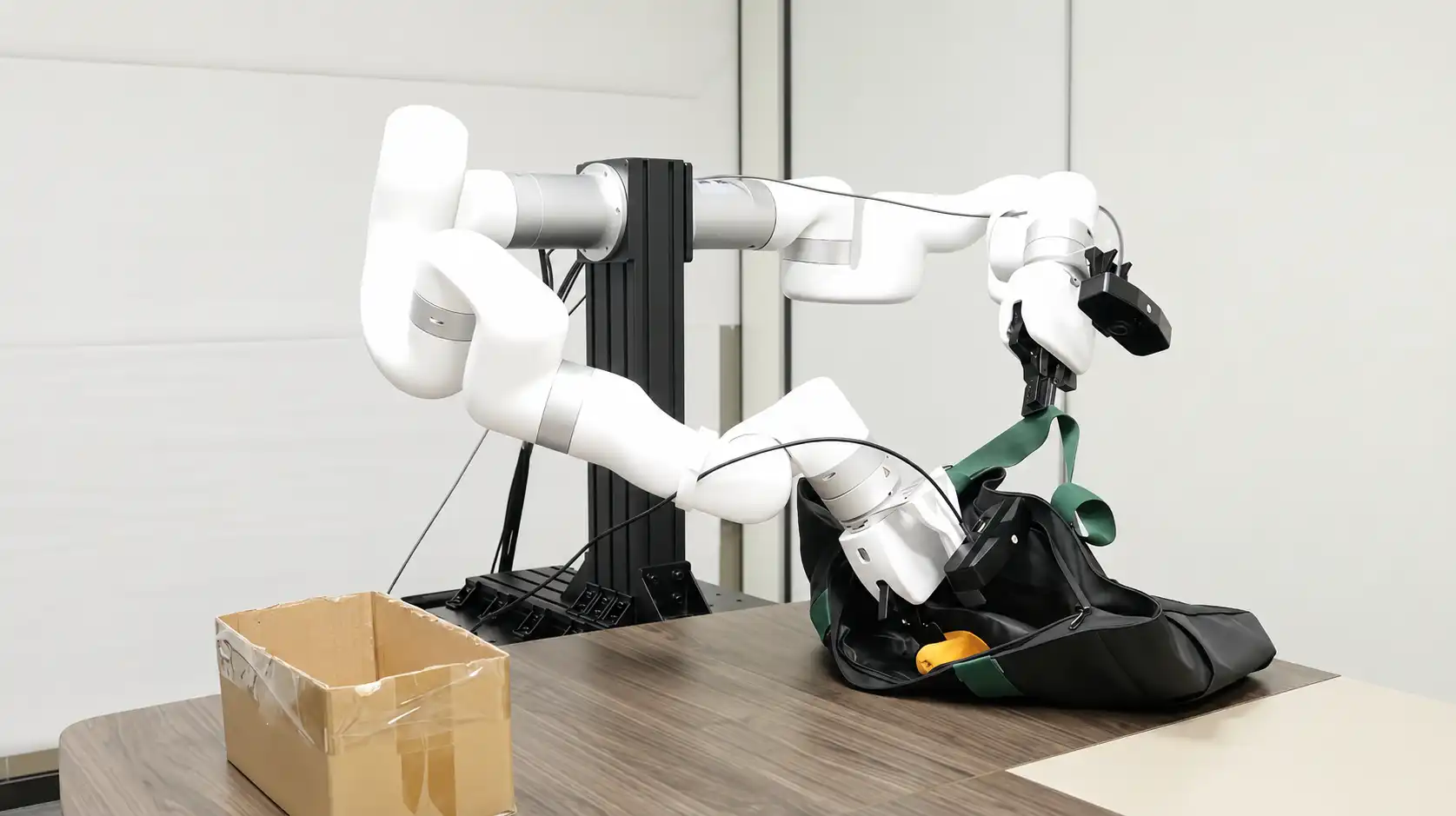
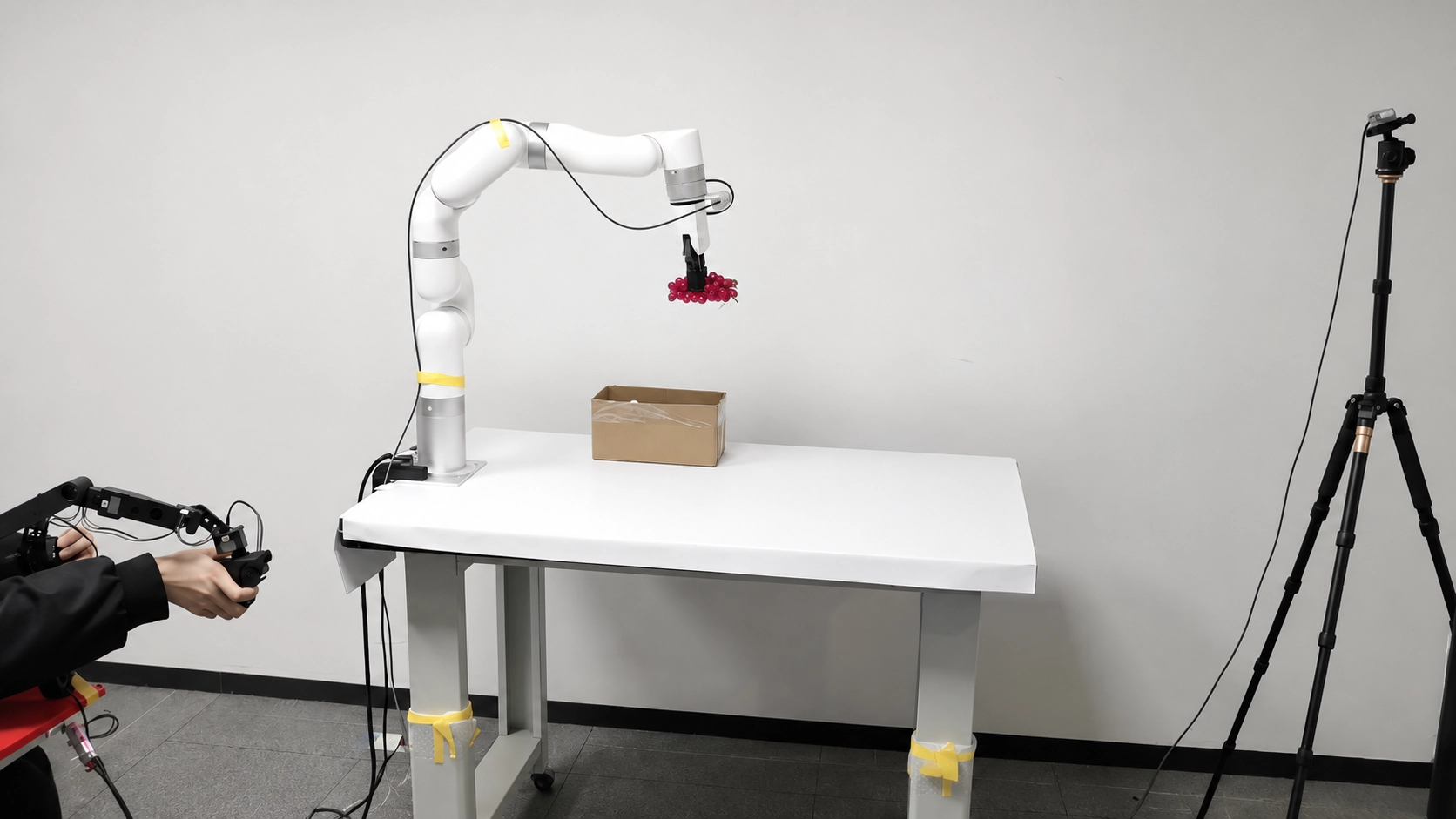
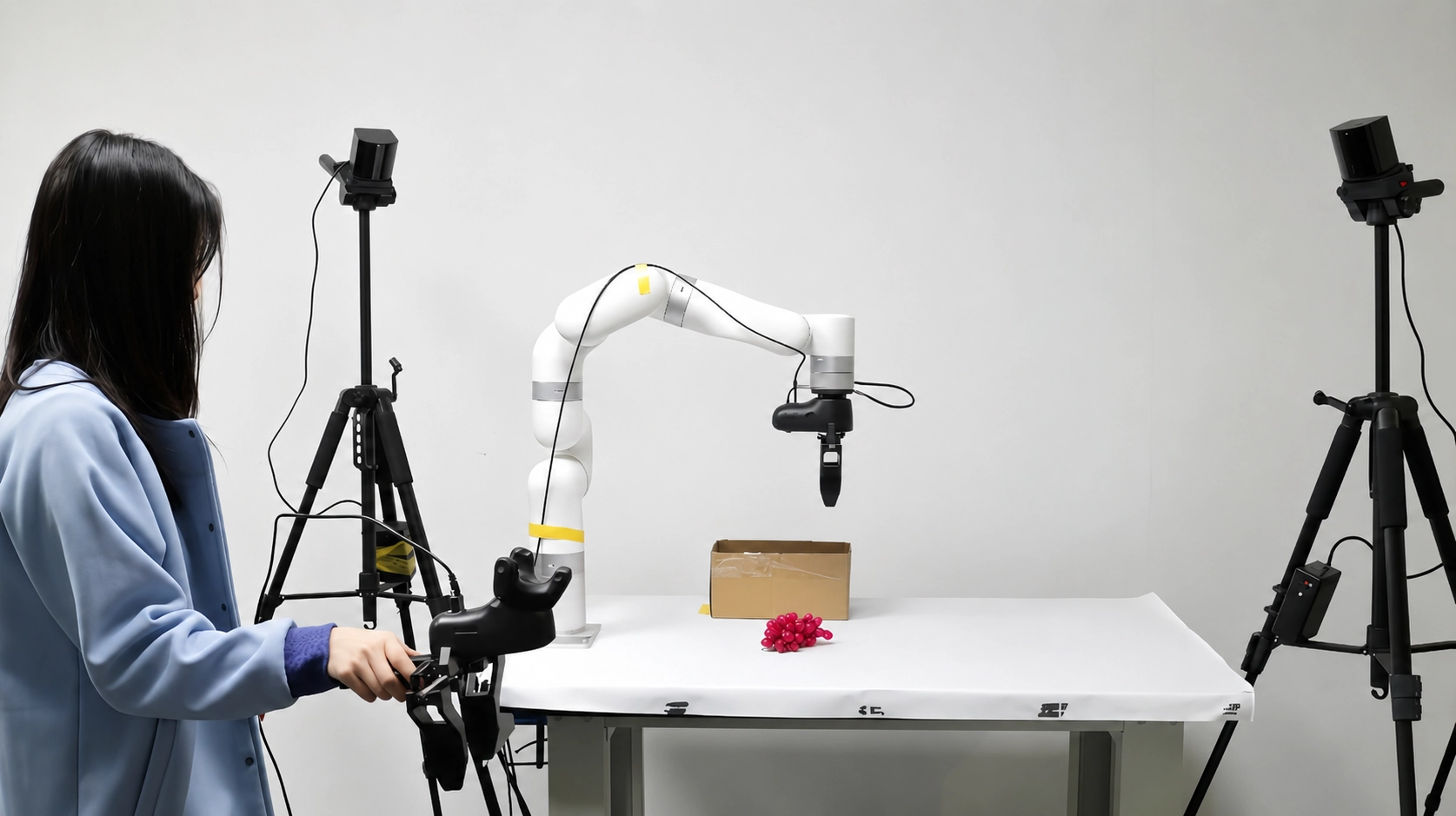
We’ve run the full IL pipeline — teleoperation, data collection, training, and inference — on UFACTORY xArm 7 using both Gello and Pika teleoperation hardware with the LeRobot framework. All code and collection guides are open-sourced on GitHub.
Related Case Studies
Imitation Learning Research
UC Berkeley
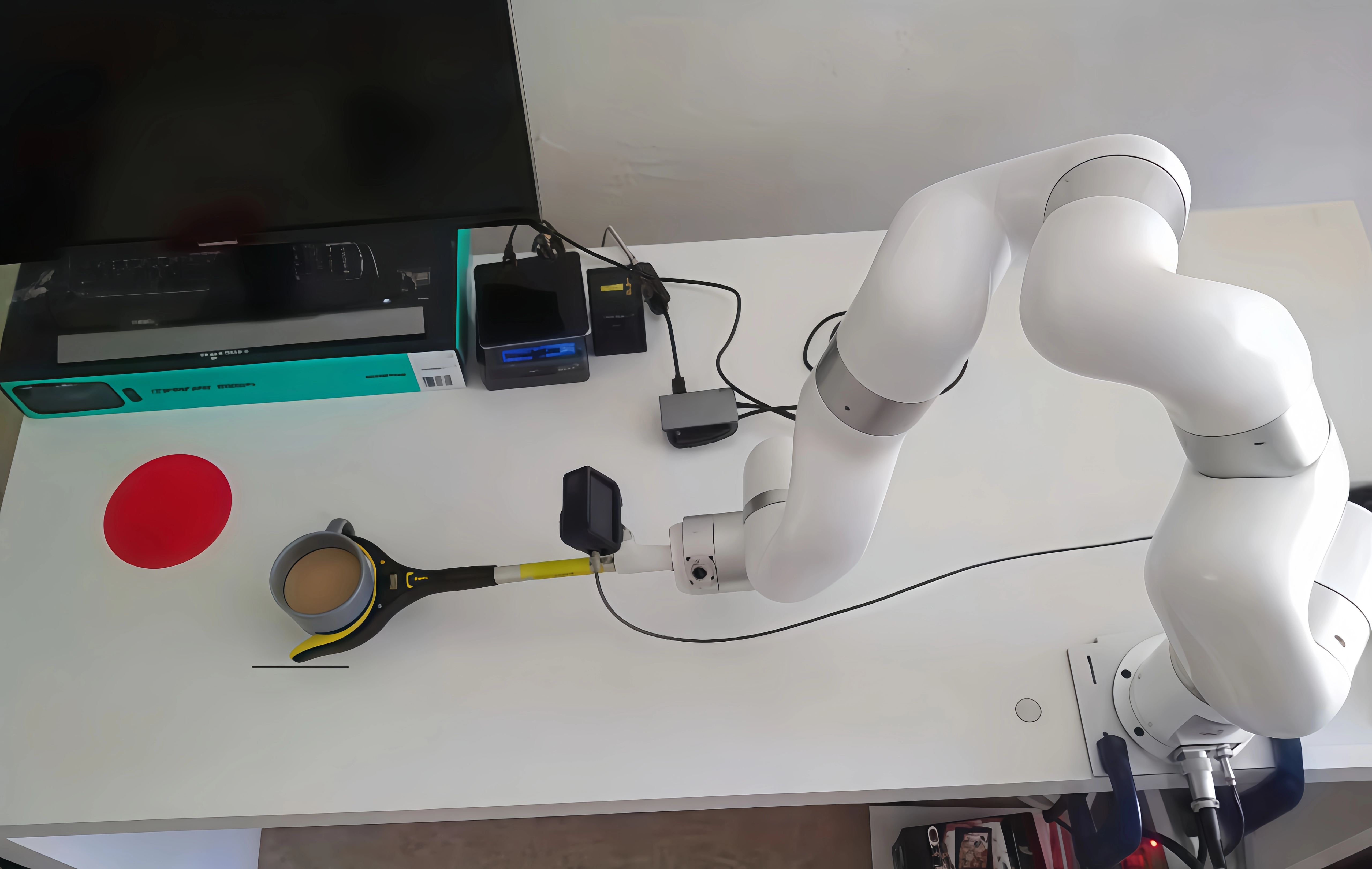
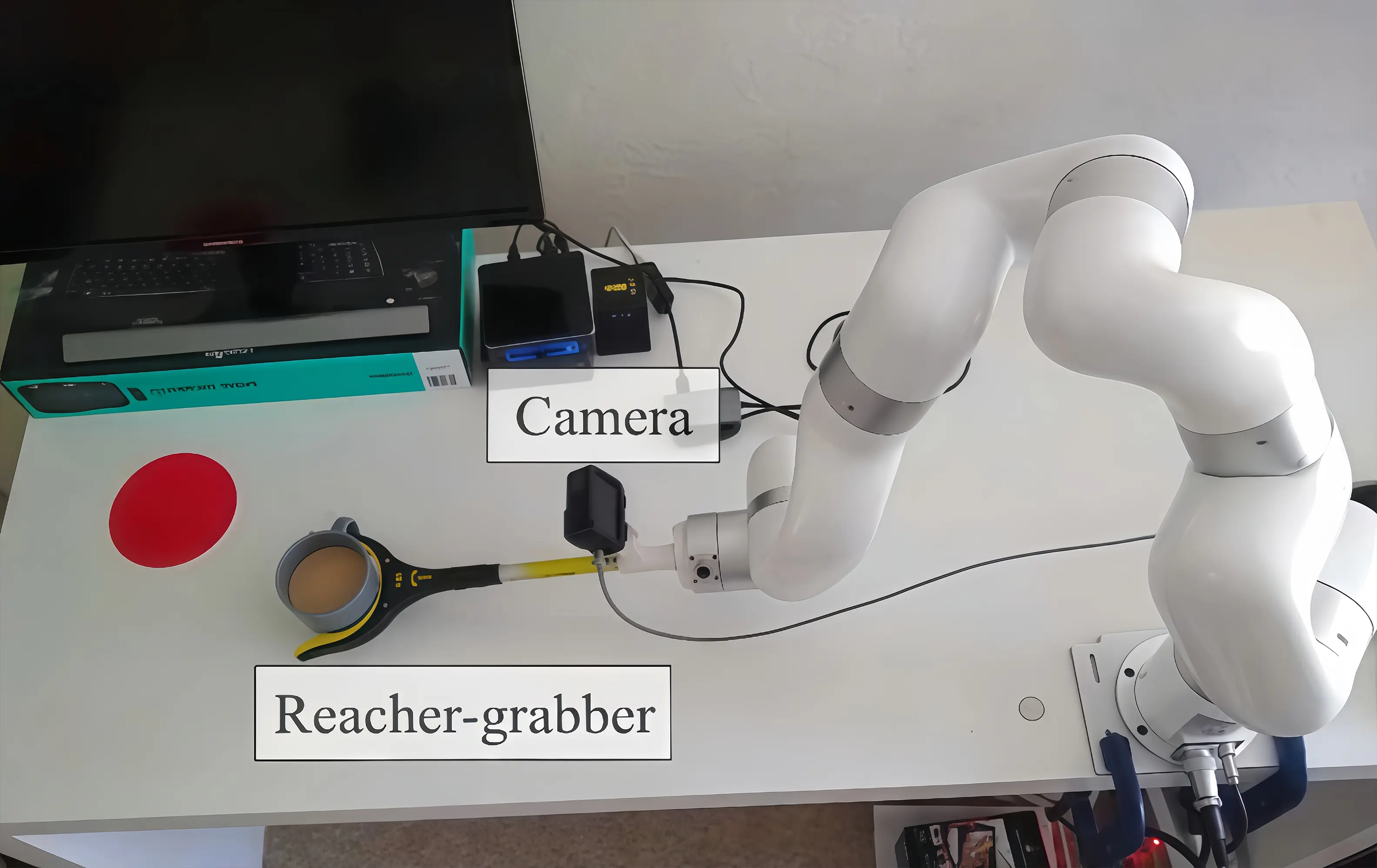
Researchers collected demonstration data using a commercially available assistive grabber. The trained policy achieved 87% success on pushing tasks and 62% on stacking, generalizing to objects never seen during training.
VR Teleoperation
Extend Robotics
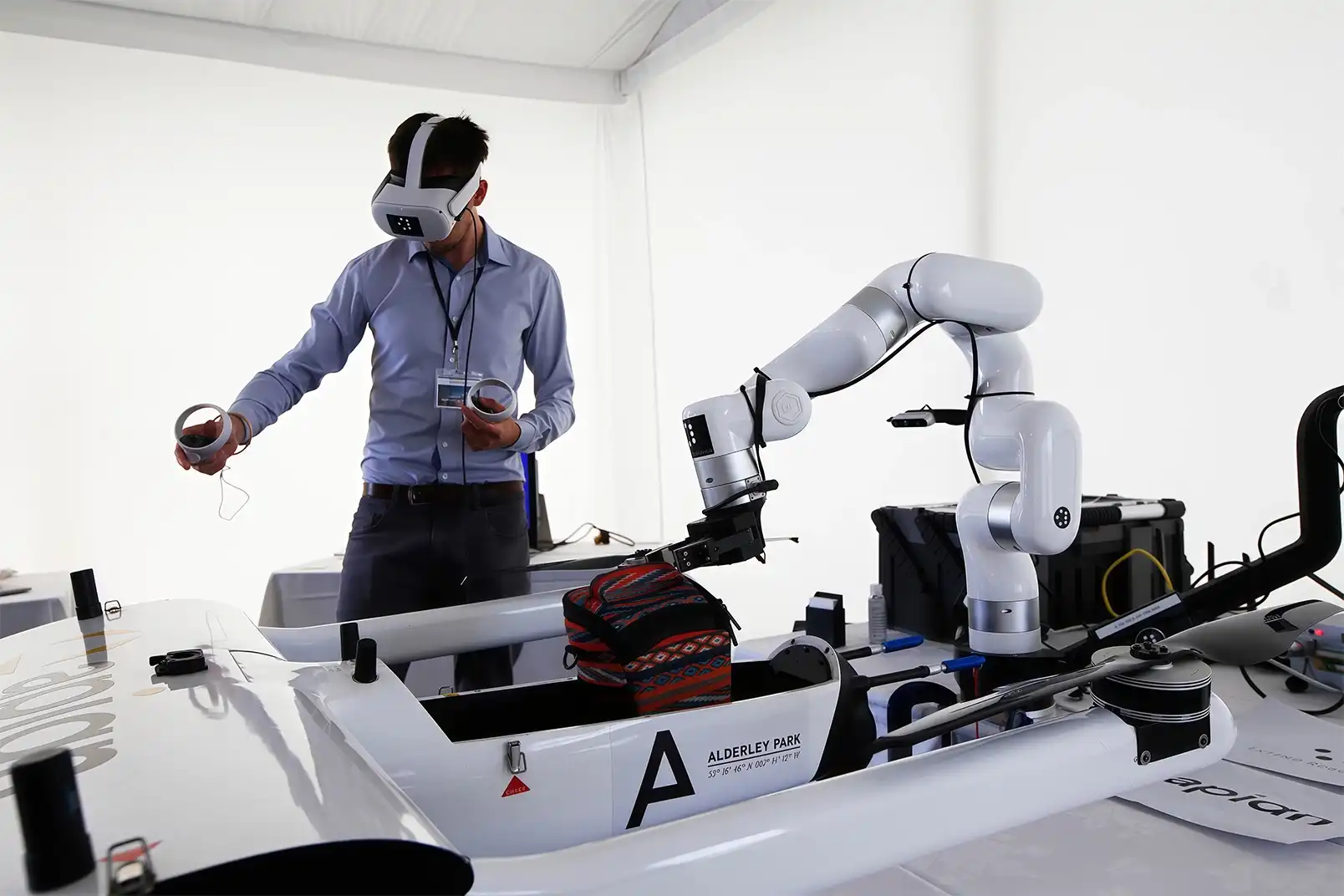
Accessible VR teleoperation using ROS-native xArm to solve labor shortages and safety risks in hazardous environments.
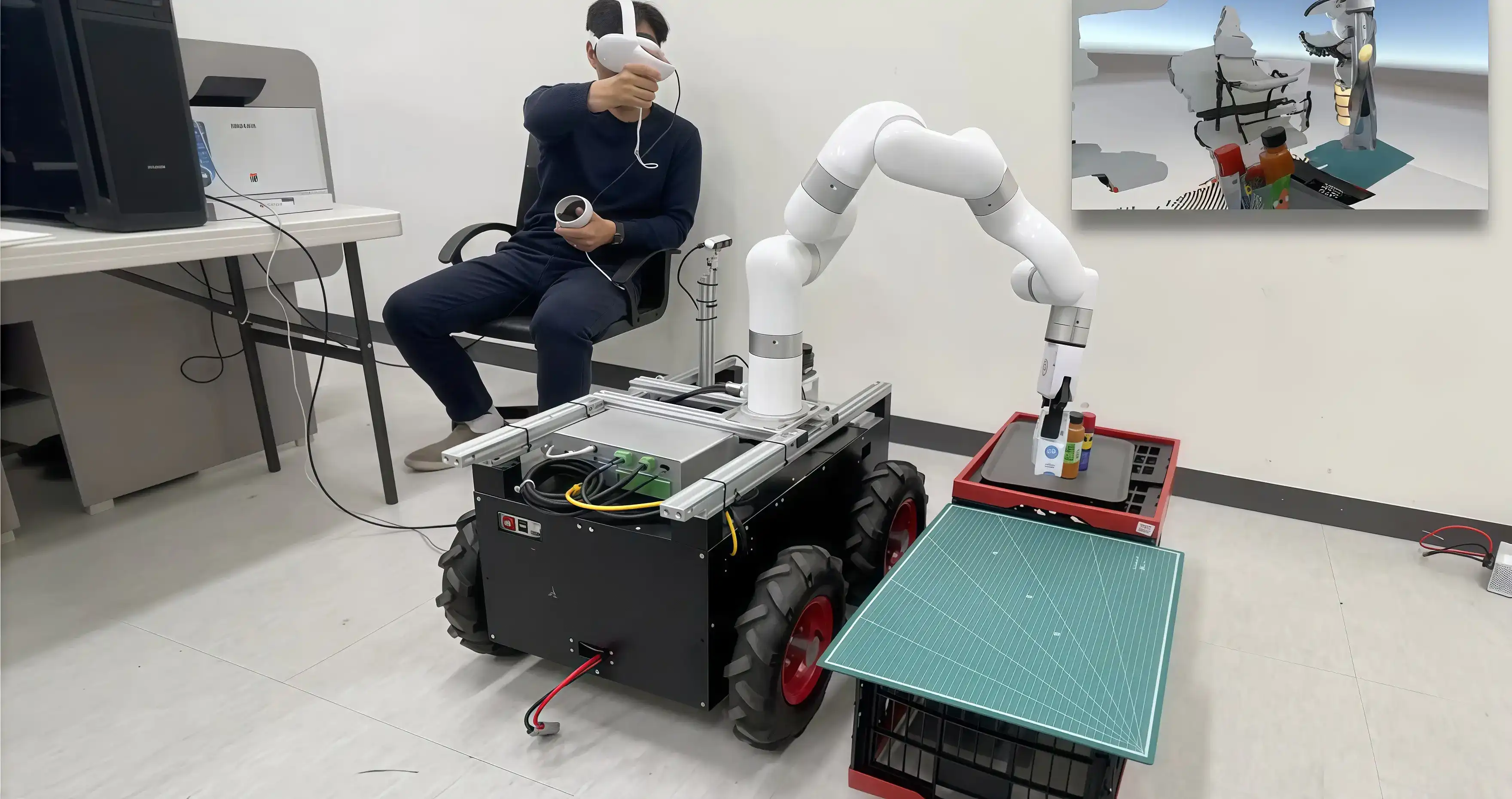
VR Teleoperation & Autonomous Bin Picking
AMR Labs
AMR Labs developed VR teleoperation and autonomous bin picking applications with UFACTORY xArm.
Not sure which model fits your workflow?
Our team will match the right robot and configuration to your needs.